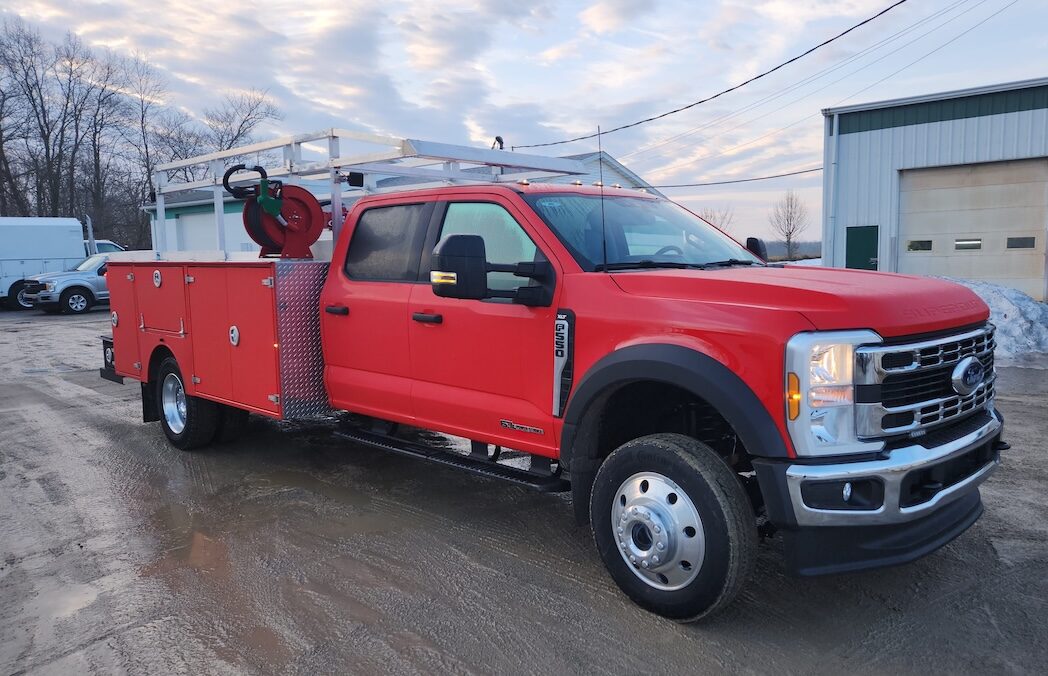
When a service truck is down for repairs, or a technician is digging through a poorly organized cabinet to find the right tool, that’s time and money walking away from the job site. The way a truck body is built and equipped has a direct effect on how much of that time you get back.
Here are five construction and design choices that set JOMAC service truck bodies apart, and why they matter for uptime.
1. Each cabinet is built as its own individual weldment, not pieced together, providing greater structural integrity
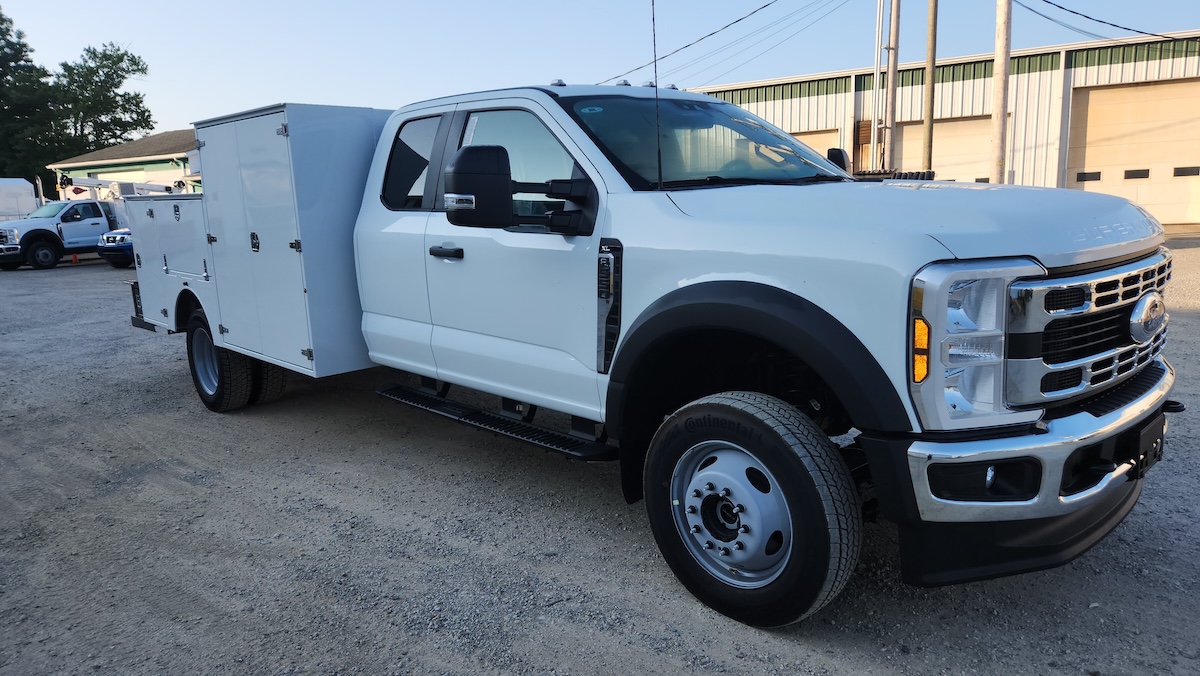
Many competitor truck body cabinets are built from pre-assembled components that are bolted or riveted together after the fact. At JOMAC, our cabinets are individually welded as complete units. A welded cabinet has fewer seams that can loosen, rattle, or let moisture in over years of rough roads and heavy use. Fewer failure points means fewer trips back to the shop for cabinet repairs, and more days with the truck actually working.
2. Cabinets Mounted to an Aluminum Subframe
Rather than bolting cabinets directly to a steel subframe, JOMAC mounts them to an aluminum subframe. This keeps the body’s construction consistent in materials and reduces the corrosion risk that can come from dissimilar metals working against each other under constant vibration. For a crew depending on that truck day in and day out, it’s one less maintenance issue working its way into the schedule.
3. A Dedicated Steel Structure for Crane-Equipped Bodies
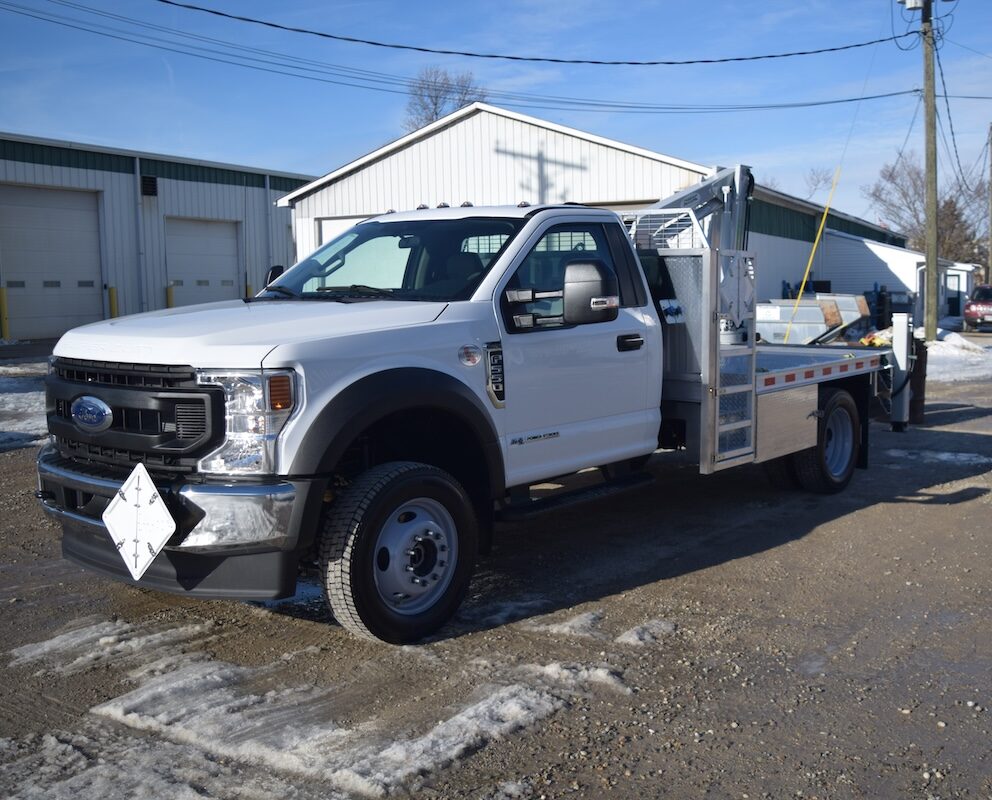
Cranes and outriggers put a different kind of stress on a truck body than everyday storage does. On JOMAC crane bodies, the crane is mounted to its own steel support structure, engineered to absorb those loads and isolate them from the rest of the aluminum body. That separation protects the body from stress-related wear that would otherwise shorten its service life.
4. Backed by a Lifetime Structural Warranty
Every JOMAC body is backed by a lifetime structural warranty on the aluminum body itself. That’s peace of mind built into the purchase. If the structure is the issue, you’re covered, without adding downtime-driven negotiations to your plate on top of the repair itself.
5. The Right Level of Customization, Not More Than You Need
It’s a common assumption that a “built for the job” truck body has to mean a fully custom build. In practice, most fleets are better served by one of three approaches:
- Proven standard configurations: a tested, repeatable design with predictable pricing and a faster build timeline.
- Standard bodies with application-specific modifications: the reliability of a standard design, adjusted for the tools, compartments, or equipment your crew actually uses.
- Fully custom builds: reserved for applications where nothing standard will do the job right.
You don’t need a one-off custom body to get equipment that fits your work. Starting from a standard platform and modifying only where it matters usually means a shorter lead time and a body that’s easier to service down the road, while the option for a fully custom solution is still there when the application calls for it. Browse JOMAC’s full lineup of service truck bodies to see where your application fits.
Explore JOMAC’s full lineup of service truck bodies to find the right fit for your application.
The Bottom Line
Time saved on the job doesn’t just come from how storage is organized. It comes from how the body is built. Welded-not-assembled cabinets, an aluminum subframe, isolated crane support, a lifetime structural warranty, and the right level of customization for your application all add up to less downtime and more hours where they belong: on the job.